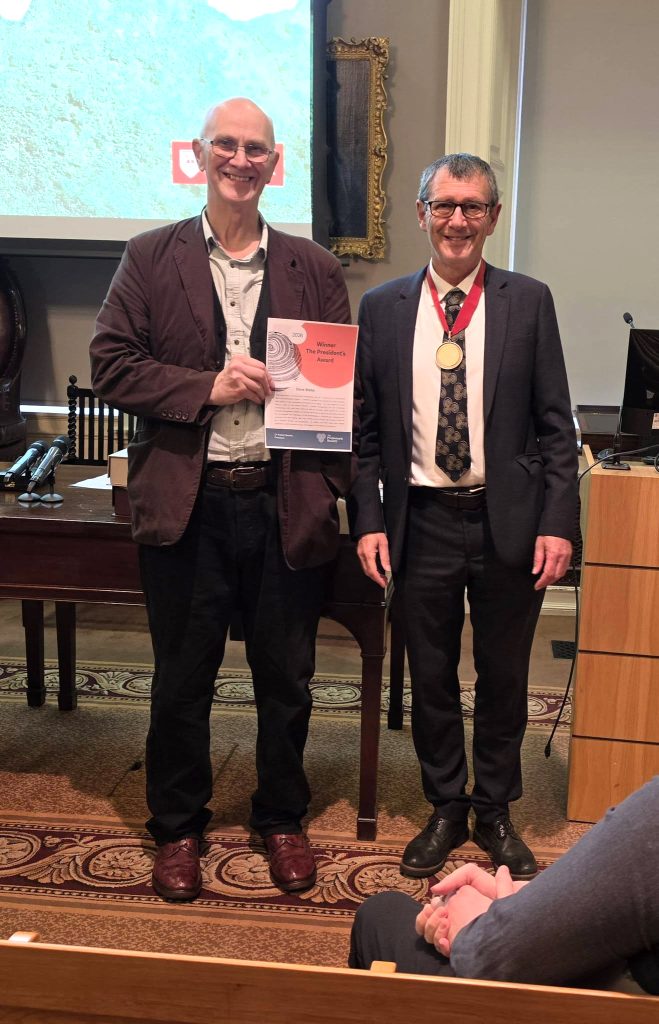
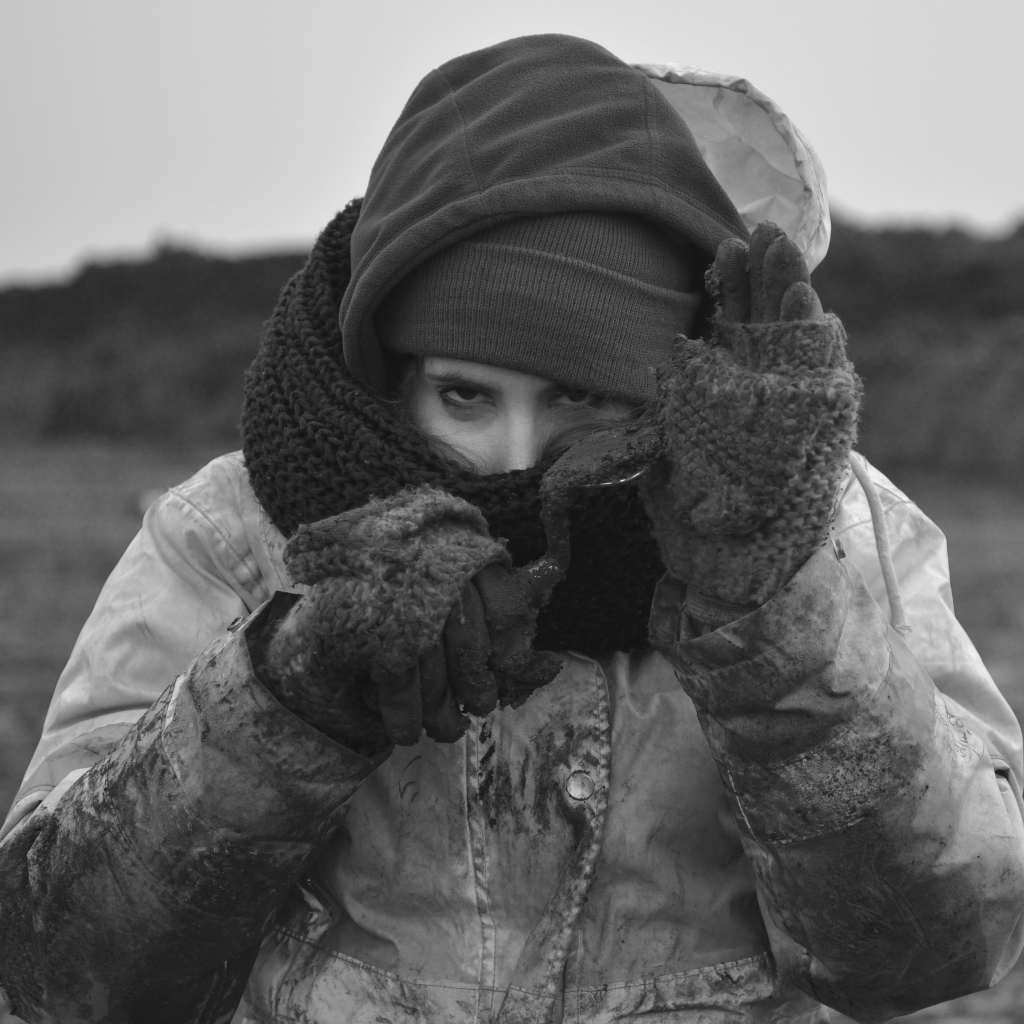
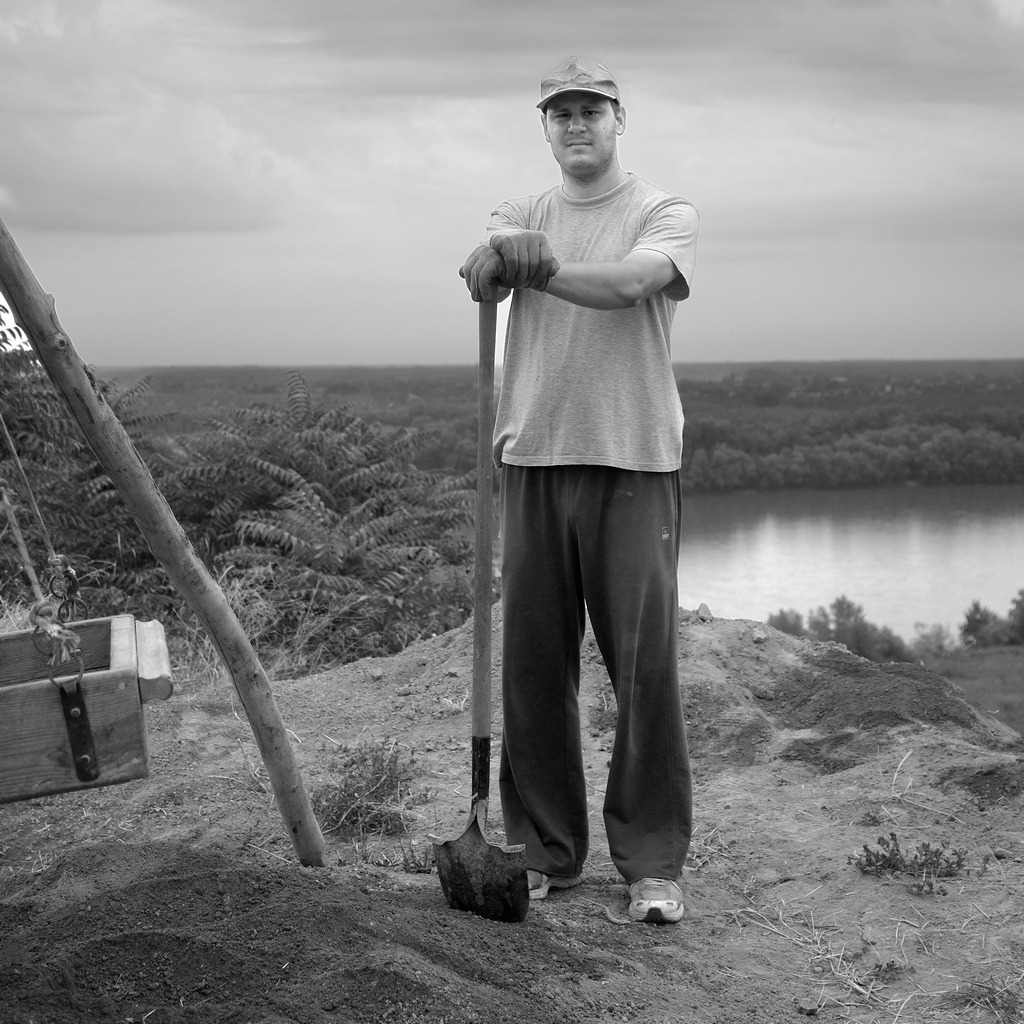
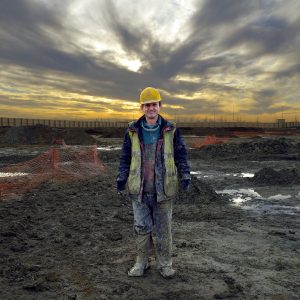
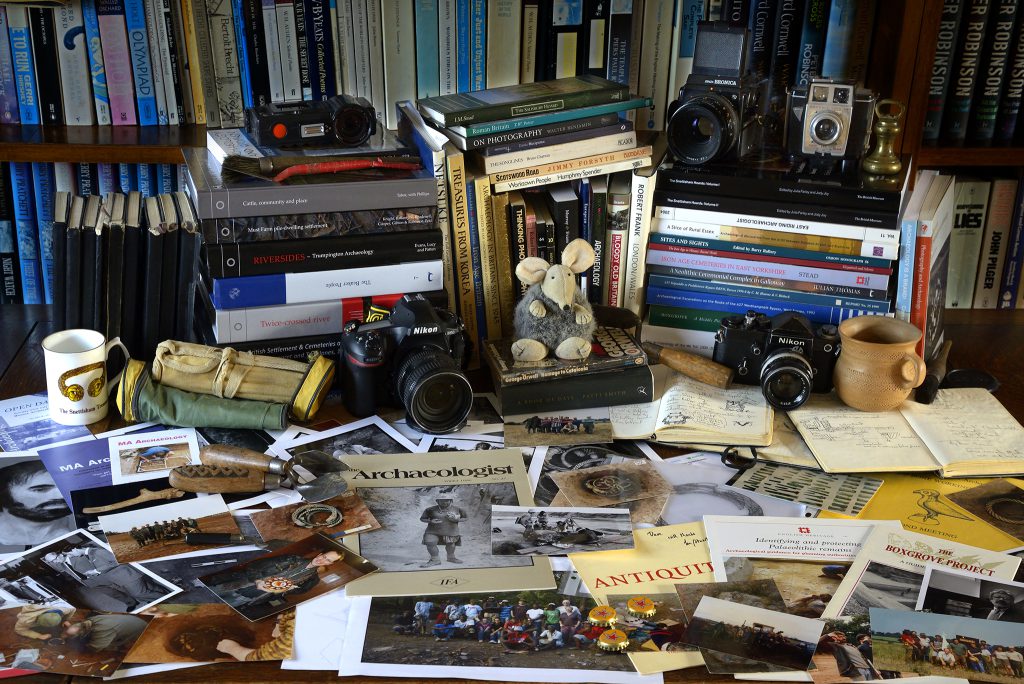
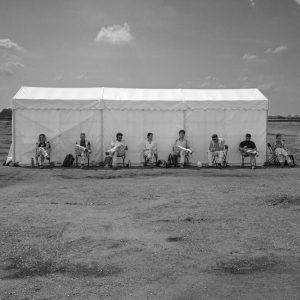
Day in London: A chance to meet up with some old friends from Southampton and Boxgrove. I’d been invited to The Prehistoric Society at Burlington House to recieve the Presidents Award for “outstanding contributions in communicating any aspect of deep human history to new and diverse audiences. ” Amazed to recieve the honour and very gratefull to the directors and others who put up with me interuppting the excavations to take photos and to all those diggers who I kept pestering for one more photo – hopefully one day I’ll get the new site back in order with names and evrything all added etc – thanks to Tess Machling for the photo.
Archaeology starts with a spade in the ground and if it’s not done right then all the learned text that follows can become meaningless. In fieldwork data is gathered at the point of a trowel and is applied with skill and care by the digger. If it is to be of any use however the recognition of these skills and contribution to the body of data and final report can sometimes seem to be lacking. In many reports someone whose contribution may only total a couple of sentences or paragraph will be acknowledged whereas the team that spent six months in all weathers and conditions producing the base data for a lesser salary will hardly be mentioned. At this point I should say I’m not trying to be divisive putting specialist against diggers, I’ve done both spending years in the field and driven colleagues mad with my obsession over one small lump of copper alloy that would have required another volume to be added to the report. It is perhaps that we should look at other areas of work like the film industry where in the final credits everyone gets a mention and recognition for their contribution, even the catering which on some archaeological sites should probably get top billing for keeping the team going. It may be a big ask and certainly in recent times it has improved but when making it up a list of acknowledgements please do it not to make up a list of those who will “impress” your colleagues with their academic prowess but a list of all those who provided the base data from on site, ensured the whole operation ran smoothly and enabled the excavation to go ahead from the office etc. As I said at the beginning, start with the first spade in the ground.
Just a footnote – the above comment was only meant to highlight the under representation of the skilled work performed by diggers and their omission from some (not all) reports. “Archaeology” is not just excavation in the field a lot of work goes into pre ex to prepare and inform before a team arrives at site. The work can include desk top surveys, aerial photography, geophysics, document searches and other specialisations. There is also the logistics of getting the team to a site and providing the equipment, a safe working enviroment, accomodation etc. All of this and the people who provide it are also essential in “Archaeology”. As a final note there are even aspects of “Archaeology” that don’t require excavation Building Survey’s, Landscape Surveys, Maritime Archaeology the list can go on. The point I was trying to make was that all involved in a project should be recognised for their contribution whatever their title.
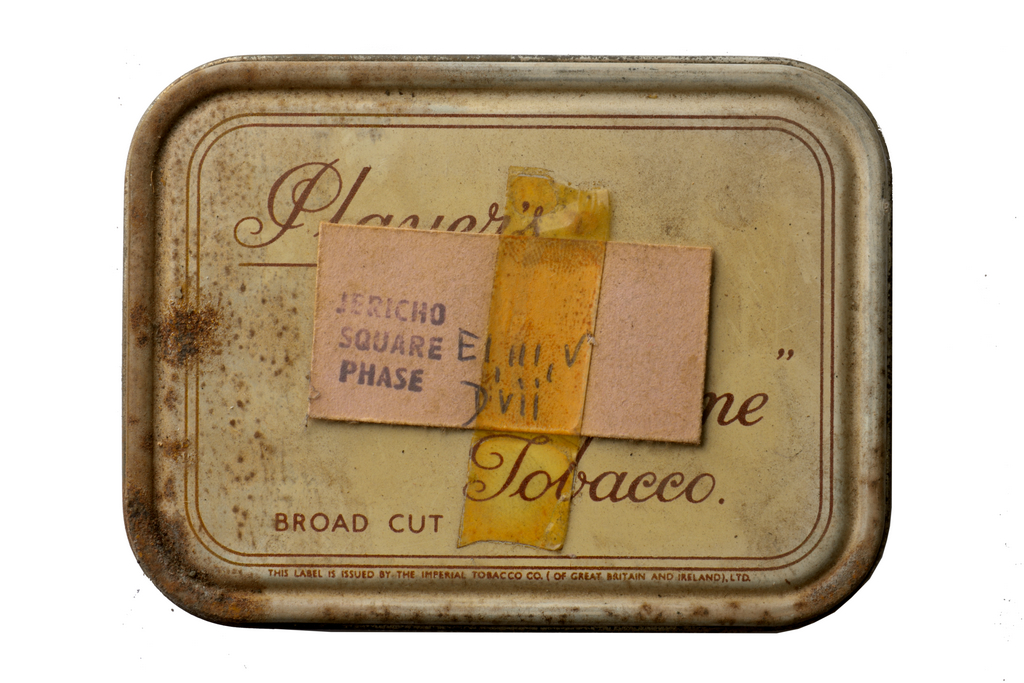
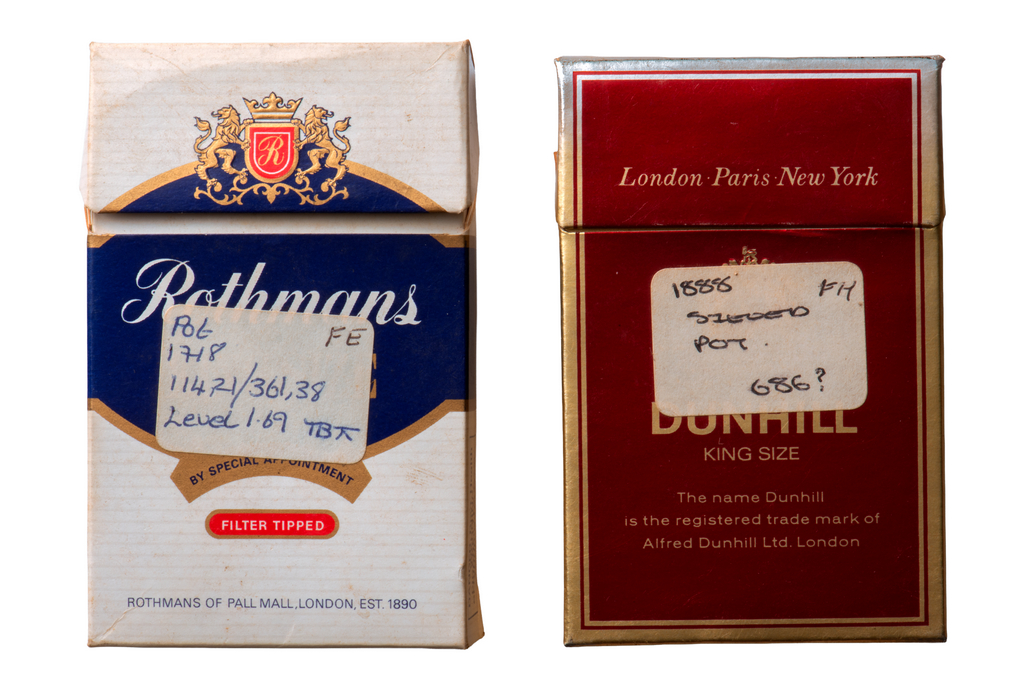
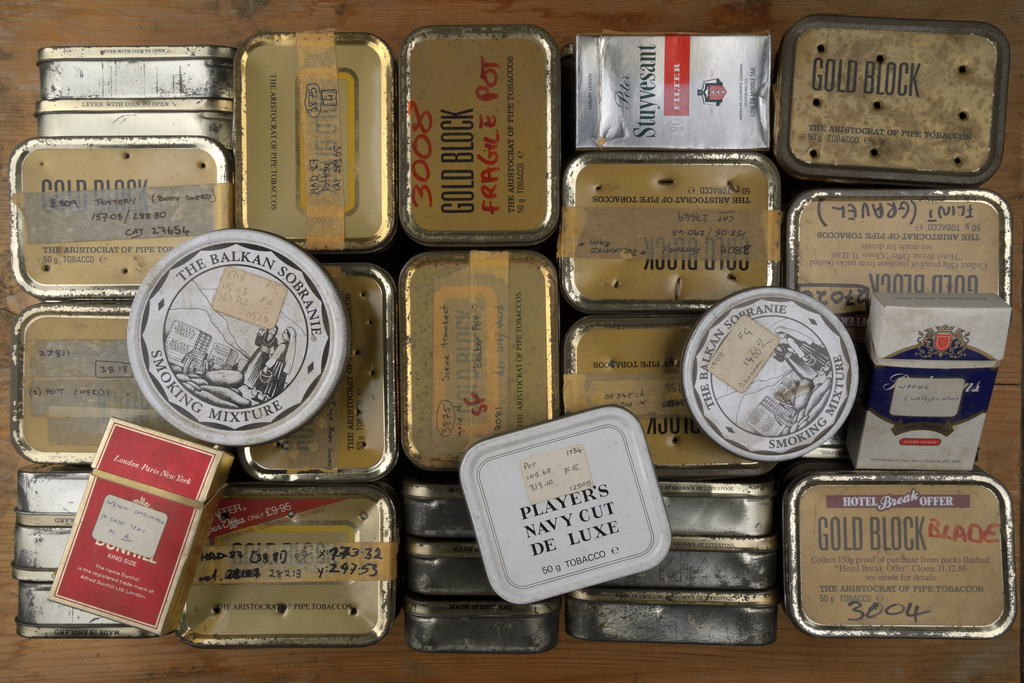
An interesting and insightful article by Charlotte M Williams about the onsite and offsite storage of artifacts and containers that tells us more about the archaeologists than the artefacts and archaeology – take a look its worth reading – meanwhile a contribution from various sites;
Charlotte M Williams (2024) Products of time: Matchboxes as scientific containers and the social lives of archaeological ephemera. Journal of Material Culture.
Just an update the construction of the site and new galleries is progressing fairly smoothly with just the occasional glitch – mainly PHP errors, if the site doesn’t load at first just hit reload and it should work. I’ve added several galleries, at present they are only partialy completed as I intend to add more text etc, the site should be seen as work in progress.
After quite some time I’ve finally managed to add some galleries of images from the Archdiggers project, it’s taken a while to replace the early ASP.net site that had galleries but recent updates of the site to current versions of PHP and WordPress have enabled me to finally attach the galleries (see sidebar links) hopefully I will be adding more in future on a regular basis. The first new gallery 1993 Essendon
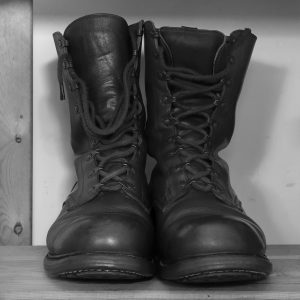
Anybody remember these “Para” boots from the 80’s 90’s they were almost standard foootwear on archaeological excavations until the widespread implementation of H&S and the requirement of steel toecaps led to their demise – any memories I’m looking for more quotes forthe page –Para Boots
After twenty two years with the CAU (Cambridge Archaeology Unit) and a lot longer with various other units and museums I’ve finally got round to retiring. Although this means I won’t have as many opportunities to continue the “Archdiggers” project I still have a large backlog in the archives to deal with. The do What Next
The Onset of the Covid epedemic brought a lot of changes to the usual working practises although compared to many working enviroments the outdoor enviroment offered fewer restrictions. Visits to sites has been greatly reduced during this period and diggers have had to put up with all sorts of restrictions particularly at the start of the crisis. Diggers in Time of Covid